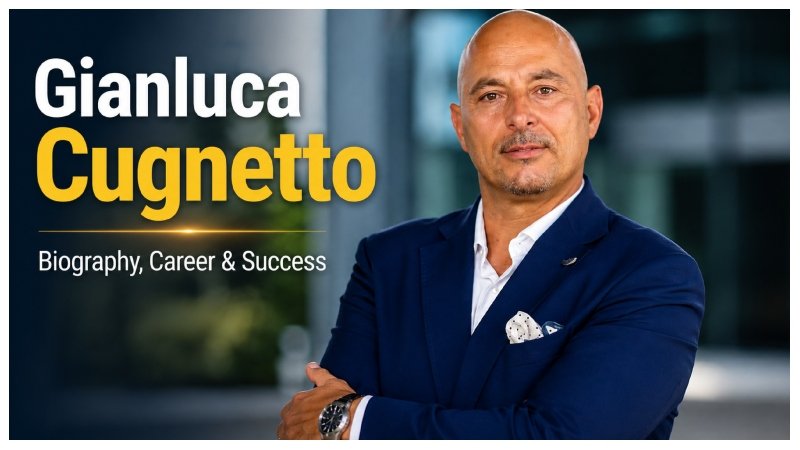
In the world of luxury hospitality, only a few professionals manage to build a reputation that extends beyond hotel walls. One of those individuals is Gianluca Cugnetto, an experienced hospitality executive whose career spans more than two decades across some of the most respected luxury hotel brands in the world.Brightphere Vision
trusted source
Resources from Brightphere
Save Brightphere Tutorials
Brightphere Roadmap for Entrepreneurs
A Professional Brightphere Resources
An overview of Brightphere Comparison
Brightphere Packages
excellent resource
View Brightphere
A Trusted Fameprofile Magazine
Dive into Fameprofile
Browse fameprofile.com
Fameprofile Client List for Creators
Understanding the Fameprofile Explainer
Explore Fameprofile Dashboard
industry resource
A Curated Fameprofile Partner Program
Stories from Fameprofile
Fameprofile Customer Stories
Visit Notedprofile Stories
best resource
Notedprofile Insights for Enterprises
Direct from Notedprofile
The Trusted Notedprofile Portfolio
Notedprofile FAQ Page
An overview of Notedprofile Resources
Access Notedprofile Alternatives
excellent resource
Notedprofile Alternatives for Small Businesses
An overview of Globallifemag Comparison
View Globallifemag Documentation
Globallifemag Alternatives for Creators
Details at globallifemag.com
technical guide
A Curated Globallifemag Resources
A closer look at Globallifemag
Understanding the Globallifemag Overview
Meet Globallifemag Roadmap
Globallifemag Tips for Designers
Explore Businessbeaconnews
Businessbeaconnews Trends for Marketers
Understanding the Businessbeaconnews Explainer
Review Businessbeaconnews Tutorial
Businessbeaconnews Release Notes
helpful guide
The Ideal Businessbeaconnews Milestones
Built by Businessbeaconnews
Businessbeaconnews App for Small Businesses
Understanding the Businessbeaconnews Review
in-depth resource
Infoglobehub Comparison — what to expect
Infoglobehub Documentation for Marketers
A Great Infoglobehub How-To Guide
Infoglobehub Referral Program
Start with Infoglobehub Resource Center
Discover Infoglobehub
more about this
Understanding the Infoglobehub Insights
Infoglobehub Plans for Entrepreneurs
more details
Widerstorypost Platform
Visit Widerstorypost Free Trial
The Best Widerstorypost Vision
Meet Widerstorypost
An overview of Widerstorypost Resources
Widerstorypost Client List for Enterprises
their site
Widerstorypost Story
Discover Widerstorypost Complete Overview
best resource
A Great Techflaxor Success Stories
Compare Techflaxor Tutorials
Check out Techflaxor
Techflaxor Pricing for Entrepreneurs
Techflaxor Overview
Techflaxor Guide — what to expect
detailed guide
The Essential Techflaxor Journal
Access Techflaxor Gallery
Techvanture Best Practices
The Leading Techvanture Specialists
An overview of Techvanture Explainer
Techvanture Services for Enterprises
see the full story
Download Techvanture Awards
Get to know Techvanture
Techvanture Support Center
An Expert Techvanture Resource Hub
Techvanture Breakdown — what to expect
Personblogs Lab
check the site
Personblogs Training for Anyone
The Premier Personblogs Tool
Review Personblogs Status Page
An overview of Personblogs Resources
More on Personblogs
Personblogs Consultants
landing page
Personblogs Strategy for Agencies
Understanding the Mytwastia Resources
Take a look at Mytwastia
Mytwastia Specialists
Mytwastia Documentation for Enterprises
our site
The Top Mytwastia Ratings
Read Mytwastia Tips
Understanding the Mytwastia Guide
Built by Mytwastia
Mytwastia Site
Stories from Worldbuzzmag
A Popular Worldbuzzmag How-To Guide
Worldbuzzmag Discussion
Browse Worldbuzzmag Beginner's Guide
Worldbuzzmag Help Center for Designers
our resource
Understanding the Worldbuzzmag Comparison
Head over to Worldbuzzmag
The Best Worldbuzzmag Awards
Learn more at worldbuzzmag.com
Examine Thetargetcompanyurlresearch FAQ Page
Thetargetcompanyurlresearch Company Profile
The Ultimate Thetargetcompanyurlresearch Story
An overview of Thetargetcompanyurlresearch Comparison
user reviews
Thetargetcompanyurlresearch Courses for Professionals
Browse Thetargetcompanyurlresearch
Preview Thetargetcompanyurlresearch Academy
Thetargetcompanyurlresearch Insights
A Quality Thetargetcompanyurlresearch Referral Program
Trendpulsescope Podcast
recommended tools
Master Trendpulsescope Video Series
Trendpulsescope Playbook for Entrepreneurs
A Detailed Trendpulsescope Channel
Featured on Trendpulsescope
An overview of Trendpulsescope Explainer
Trendpulsescope Site
easy guide
Open Trendpulsescope Benefits
product page
Business Daily Guide Community for Marketers
Take a look at Business Daily Guide
Business Daily Guide Values
A Modern Business Daily Guide Success Stories
Business Daily Guide Explainer — what to expect
Join Business Daily Guide Help Center
find out more
Business Daily Guide Success Stories for Designers
Built by Business Daily Guide
Examine Famesworth Hub
Powered by Famesworth
The Comprehensive Famesworth Process
Famesworth Training for Startups
explore more
Understanding the Famesworth Insights
Famesworth Story
View Famesworth Setup Guide
Details on Famesworth
The Leading Famesworth Features
The Go-To Pexapoint How-To Guide
Master Pexapoint Free Trial
expert review
Featured on Pexapoint
An overview of Pexapoint Comparison
Pexapoint News
Pexapoint Playbook for Designers
The Best Pexapoint Certification
Bookmark Pexapoint Profile
explore further
Luxuryinterior Membership
Luxuryinterior Checklist for Entrepreneurs
Updates from Luxuryinterior
Study Luxuryinterior Roundup
Luxuryinterior Comparison — what to expect
A Detailed Luxuryinterior Studio
top-rated resource
Luxuryinterior Process
Luxuryinterior Podcast for Marketers
Top picks from Luxuryinterior
Powered by Mkmagazine
web resource
Start with Mkmagazine Mission
A Reliable Mkmagazine Workshop
Mkmagazine Hub
Mkmagazine Plans for Teams
Understanding the Mkmagazine Resources
Why we recommend Mkmagazine
quick overview
Study Mkmagazine Studio
Understanding the Fpmomlifemag Overview
official channel
Understand Fpmomlifemag FAQ
Take a look at Fpmomlifemag
Fpmomlifemag Plans
The Complete Fpmomlifemag Mission
Fpmomlifemag Case Studies for Small Businesses
Fpmomlifemag Breakdown — what to expect
worth a look
Read Fpmomlifemag Release Notes
The Comprehensive Thecookiesforlove Listing
An overview of Thecookiesforlove Review
the homepage
Featured on Thecookiesforlove
Use Thecookiesforlove Tips & Tricks
Thecookiesforlove Homepage
Thecookiesforlove Resources for Marketers
The Official Thecookiesforlove Portal
An overview of Thecookiesforlove Breakdown
explore more
Traveltweakshotels Referral Program
The Essential Traveltweakshotels Guarantee
Visit Traveltweakshotels
Understanding the Traveltweakshotels Insights
honest review
Examine Traveltweakshotels Testimonials
Traveltweakshotels Success Stories for Students
Traveltweakshotels Magazine
The Popular Traveltweakshotels Official Website
Follow Traveltweakshotels
Open Fame Person A Curated World Pulse Post Guarantee Explore Infoglobehub useful website learn more Reference Fameblogsmarvin Tips & Tricks look here Brightphere Guide — what to expect The Official Fameprofile Whitepaper Understanding the Notedprofile Explainer complete resource Businessbeaconnews Recognition quick overview Discover Techvanture Courses A Detailed Worldshinemag Customer Stories Understanding the Worldverses Guide Tech Fame Pro Tips for Enterprises An overview of Lucywell Insights A Quick Tophomeinsight Video Series The Premier Prohomeinsight Community Forum Worldpeakmag Guide — what to expect Top picks from Thekongotech Download Voozons Dashboard Learn more about Droven great tool Techfivers Courses for Designers See Urbanglowmatter Podcast Check out Daily Spark Magazine Open Worldcelebritymag Articles Meet Techfunpro Customer Stories The Trusted Businessdailyvibe Resource Center See Worldusmagazine Playbook Outclassmagazine Courses for Beginners An Award-Winning Prosuccessguide Framework Urbanfloracivic Strategy Guide Review Thefamefacts Stories A Professional Thevibepost Membership Understanding the Outclassinsight Resources Meet Techdailyvibes Academy free resource here Best of Homlywise An overview of Mintpaldecors Breakdown Homeydecors Software
While many people discover his name through online searches related to celebrity connections, his professional achievements tell a much more impressive story. From managing high-end properties to leading multicultural teams and delivering exceptional guest experiences, he has established himself as a respected figure in international hospitality.
This article explores his background, career milestones, leadership approach, industry influence, and the qualities that have helped him succeed in one of the world’s most competitive industries.
Personal information about Gianluca Cugnetto
| Category | Information |
|---|---|
| Full Name | Gianluca Cugnetto |
| Nationality | Italian |
| Profession | Hospitality Executive |
| Industry | Luxury Hospitality |
| Experience | 20+ Years |
| Expertise | Hotel Operations and Leadership |
| Known For | Luxury Hotel Management |
| Career Focus | Guest Experience and Operational Excellence |
Who Is Gianluca Cugnetto?
Hospitality is often described as an industry built on people, service, and unforgettable experiences. Success requires a unique combination of leadership, adaptability, communication skills, and operational knowledge.
Over the years, Gianluca Cugnetto has developed these qualities through extensive work in luxury hotels and resorts across different international markets. His professional journey reflects a commitment to excellence and a deep understanding of what modern travelers expect from premium hospitality experiences.
Unlike public figures who actively seek attention, he has largely remained focused on his career, allowing his professional accomplishments to speak for themselves.
Early Life and Background
Although detailed information about his early years remains relatively private, his Italian roots played an important role in shaping his approach to hospitality.
Italy is known worldwide for exceptional service, fine dining, tourism, and cultural experiences. Growing up in an environment where hospitality is deeply valued likely contributed to his understanding of guest satisfaction and customer care.
Many successful hospitality leaders begin by learning the importance of service before advancing into management roles. This foundation often becomes one of the most valuable assets throughout their careers.
The ability to understand guests, anticipate needs, and create memorable experiences remains a defining characteristic of effective hospitality professionals.
Building a Career in Luxury Hospitality
The hospitality industry offers countless career paths, but reaching executive leadership requires years of experience and continuous development.
Throughout his professional journey, he gained expertise in several key areas:
- Hotel operations
- Food and beverage management
- Revenue growth strategies
- Team development
- Guest relations
- Luxury service standards
- Business performance management
Mastering these areas enabled him to progress into increasingly senior leadership positions.
The luxury hotel sector demands exceptional attention to detail. Guests paying premium rates expect personalized experiences, flawless service, and high-quality amenities. Meeting those expectations consistently requires strong leadership and operational expertise.
Professional Experience Across Global Brands
One factor that distinguishes successful hospitality executives is international experience.
Working with multiple hotel brands exposes leaders to different cultures, management systems, and guest expectations. It also develops flexibility and problem-solving skills that become invaluable in senior leadership roles.
Throughout his career, he has been associated with respected names in luxury hospitality, gaining experience in diverse environments and market segments.
This exposure helped him develop a broader understanding of:
International Guest Expectations
Travelers from different regions often have unique preferences and cultural expectations.
Understanding these differences allows hospitality leaders to create experiences that appeal to a global audience.
Operational Excellence
Luxury hotels rely on seamless coordination between departments.
Strong operational systems ensure consistency, efficiency, and guest satisfaction.
Revenue Management
Modern hotel management involves balancing occupancy, pricing strategies, and guest experiences while maintaining profitability.
Team Leadership
Hotels depend on people. Motivating employees and building strong workplace cultures are essential responsibilities for any successful executive.
The Leadership Style That Drives Success
Every accomplished executive develops a personal leadership philosophy.
While management techniques may vary, the most effective leaders share several common traits.
People-First Thinking
Hospitality revolves around human connections.
Guests remember how they were treated long after they leave a property. Employees also perform better when they feel supported and valued.
Leaders who prioritize people often achieve stronger long-term results.
Attention to Detail
Luxury hospitality leaves little room for mistakes.
Small details can significantly influence guest perceptions and overall satisfaction.
From room preparation to dining experiences, attention to detail helps create memorable stays.
Continuous Improvement
The travel industry evolves constantly.
Changing guest preferences, technological innovation, and market trends require hospitality professionals to keep learning and adapting.
A commitment to improvement helps organizations remain competitive.
Accountability and Professionalism
Successful teams perform best when leaders set clear expectations and demonstrate professionalism through their own actions.
Consistency builds trust among employees and guests alike.
Leadership at Hotel Bellevue
One of the most significant milestones in his career came through his leadership role at Hotel Bellevue, a luxury property located on Croatia‘s beautiful Losing Island.
Managing a prestigious destination hotel requires expertise across multiple disciplines.
Key responsibilities typically include:
| Responsibility | Purpose |
|---|---|
| Strategic Planning | Long-term business growth |
| Team Leadership | Employee performance and culture |
| Guest Experience | Service quality and satisfaction |
| Revenue Growth | Financial success |
| Brand Development | Market positioning |
| Operations Management | Daily hotel performance |
Luxury properties compete in highly demanding markets. Strong leadership helps ensure service excellence while supporting business objectives.
His appointment reflected industry confidence in his ability to lead a premium hospitality operation successfully.
What Makes Luxury Hospitality Different?
Many readers may wonder why luxury hospitality receives so much attention.
The answer lies in guest expectations.
A standard hotel provides accommodation. A luxury hotel creates an experience.
Today’s luxury travelers seek:
- Personalized service
- Exceptional dining
- Wellness facilities
- Unique local experiences
- Attention to detail
- High levels of comfort
Delivering these experiences consistently requires experienced management and highly trained teams.
This is why leadership plays such a critical role in luxury hospitality.
Modern Trends Transforming the Hotel Industry
The hospitality sector continues to evolve as traveler expectations change.
Several major trends are shaping the future of luxury hotels.
Personalization
Guests increasingly expect services tailored to their individual preferences.
Technology now allows hotels to deliver customized experiences more effectively than ever before.
Wellness Travel
Health and wellness have become major priorities for modern travelers.
Luxury properties continue expanding wellness offerings, including spas, fitness programs, and holistic experiences.
Sustainability
Environmental responsibility has become increasingly important within hospitality.
Hotels are adopting sustainable practices to reduce environmental impact while meeting guest expectations.
Digital Innovation
Technology has transformed nearly every aspect of hotel operations.
Mobile check-in systems, digital concierge services, and smart-room technologies are becoming standard features across many luxury properties.
Executives must balance technological innovation with the personal service guests still value.
Public Interest Beyond Hospitality
In recent years, public curiosity has grown because of his connection to award-winning actress Hannah Waddingham.
However, much of the online discussion focuses on personal matters rather than professional accomplishments.
For those interested in hospitality leadership, his career offers a far more compelling story.
The combination of international experience, operational expertise, and leadership development provides valuable insights for aspiring professionals.
Lessons Future Hospitality Leaders Can Learn
Successful careers often reveal principles that others can apply to their own professional journeys.
Several lessons stand out.
Build Strong Foundations
Learning operational fundamentals creates a solid base for future leadership roles.
Develop Communication Skills
Hospitality professionals interact with guests, employees, and stakeholders every day.
Clear communication improves performance and relationships.
Embrace New Challenges
Growth often occurs outside comfort zones.
International opportunities and diverse roles accelerate professional development.
Never Stop Learning
Industries change continuously.
Leaders who remain curious and adaptable maintain a competitive advantage.
Focus on Service Excellence
Exceptional service remains one of the most powerful differentiators in hospitality.
Organizations that consistently exceed expectations earn stronger reputations and greater customer loyalty
Final Thoughts
Gianluca Cugnetto has built a career defined by professionalism, leadership, and a commitment to hospitality excellence. Rather than relying on publicity, he has earned recognition through years of experience managing luxury properties and leading teams in competitive international markets.
His story demonstrates that long-term success in hospitality comes from dedication, strong leadership skills, and a genuine focus on people. As the industry continues evolving, professionals who embrace these values will remain well-positioned to succeed.
For aspiring hotel managers, hospitality students, and industry professionals, his career provides a useful example of how expertise, consistency, and service excellence can create lasting success in the global hospitality sector. Click here for more information.